

Behavioral health operations are often more complex than they appear from the outside. A treatment program must coordinate admissions, clinical care, documentation, billing, compliance, staffing, medical services, transportation, safety, family communication, utilization review, and leadership oversight every day. When these systems are not aligned, problems show up as census instability, staff burnout, poor documentation, compliance risk, financial pressure, or inconsistent client experience.
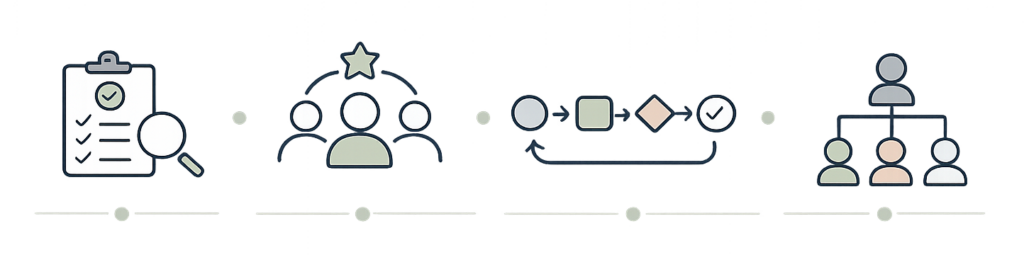
Many organizations reach out for operations support when they feel stuck. They may have good people and a meaningful mission, but daily work feels disorganized. Leadership meetings may not produce follow-through. Departments may operate in silos. Staff may be unclear about priorities. Data may exist but not drive decisions. The organization may be busy without being focused.
A strong operational assessment looks at how the organization actually functions. This includes workflows, roles, communication structure, decision-making authority, staffing patterns, documentation expectations, compliance tracking, and performance indicators. The goal is to identify where friction is occurring and what systems need to be strengthened.

One common issue is unclear accountability. If multiple people are responsible for the same task, or no one clearly owns it, important work falls through the cracks. This can affect admissions follow-up, chart completion, payer authorization, staff onboarding, emergency preparedness, performance improvement, and client communication. Clear ownership is one of the simplest and most powerful operational improvements an organization can make.
Another frequent challenge is leadership rhythm. Organizations need predictable structures for reviewing priorities, identifying barriers, tracking progress, and making decisions. Without effective meeting cadence and follow-up, the same issues are discussed repeatedly without resolution. Strong operations require disciplined execution.
 Staffing models also deserve close attention. Behavioral health organizations must balance coverage, acuity, budget, licensing requirements, staff morale, and quality. Overstaffing can create financial strain. Understaffing can create safety and compliance risk. A thoughtful staffing review can help align resources with actual operational need.
Documentation and clinical workflow are often tied directly to operations. If staff are unclear about expectations, EHR workflows are poorly designed, or supervisors do not have reliable tracking tools, documentation delays can become a major compliance and billing issue. Operational improvement often includes simplifying workflows and clarifying expectations.
Kindel Consulting helps organizations move from reactive management to structured operations. Engagements may include operational assessments, leadership support, workflow redesign, staffing model review, KPI development, meeting structure, compliance integration, and implementation planning. The emphasis is always on practical changes that leadership can sustain.
Strong operations create organizational confidence. Staff know what is expected. Leaders know what to monitor. Clients experience greater consistency. Payers and referral sources see a more reliable provider. Growth becomes easier because the foundation is stronger.
Kindel Consulting works with behavioral health organizations that want to improve performance, reduce chaos, and build systems capable of supporting long-term success.